

HUMAN AS GLACIAL: MOTION TO CHILL
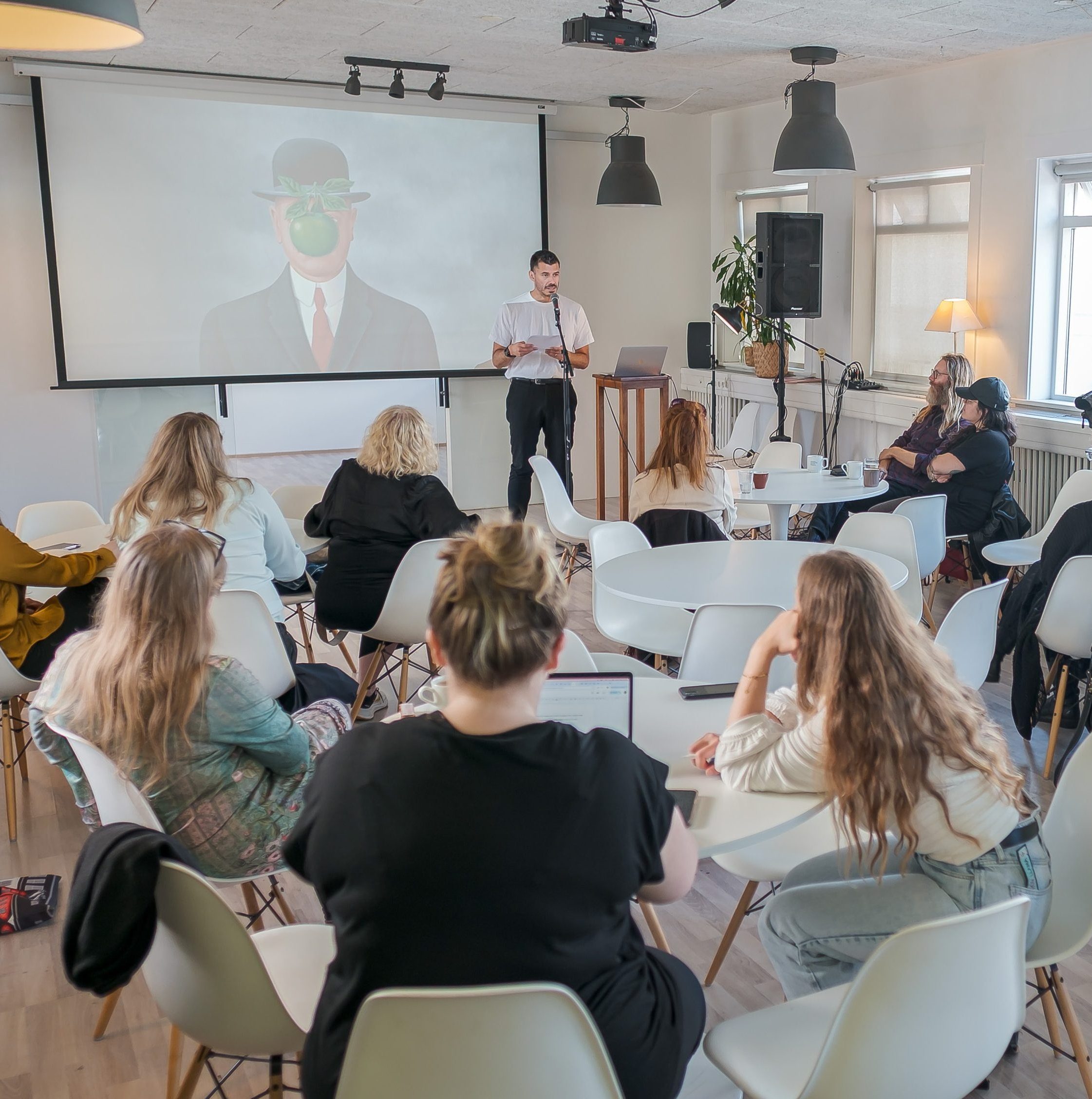
For the Panel on Planetary Thinking in 2025, I wrote a legal motion to propose humans consider ourselves as glacial beings. The following mini-lecture is excerpted from the larger Motion to Chill.
How we perceive our glacial relations may inform human survivorship on a transforming planet. To wit: modern-day humans and their ancestors have only ever lived within icehouse Earth environs. As inhabitants who evolved within the Quaternary ice age with its alternations of glacial and interglacial periods, human habitability and survivorship on the planet has been intrinsically linked with the presence of ice sheets, ice caps, glaciers, and permafrost.

With the tipping of seven of nine planetary boundaries, Earth’s icehouse veers towards a premature entry into a greenhouse period—untested for human species as a climate much hotter than any human has ever lived within. When humans recast ourselves as glacial beings, what can we learn with glaciers as our mentors?
The interdependence inherent within the term glacial beings is intended to invite exploration of a glacial withness, through which humans practice að jökla (to become-with glacier). This may include an encouragement (even a responsibility,) for humans to attune to geosemiotics by learning glacial communication. And so, how to approach gleaning a glacial vocabulary?
Glaciers lead by action. They instruct through showing-doing. Glaciers offer their lessons through embodied and relational experiential knowledge transference. Humans access glacial communication through temporal and sensorial attunements. Likewise, humans communicate with glaciers through sensorial and temporal materials. Learning and practicing a glacial vocabulary may provide avenues for ecosystem engagement and more-than-human communion or consultation.