
Um námskeiðið
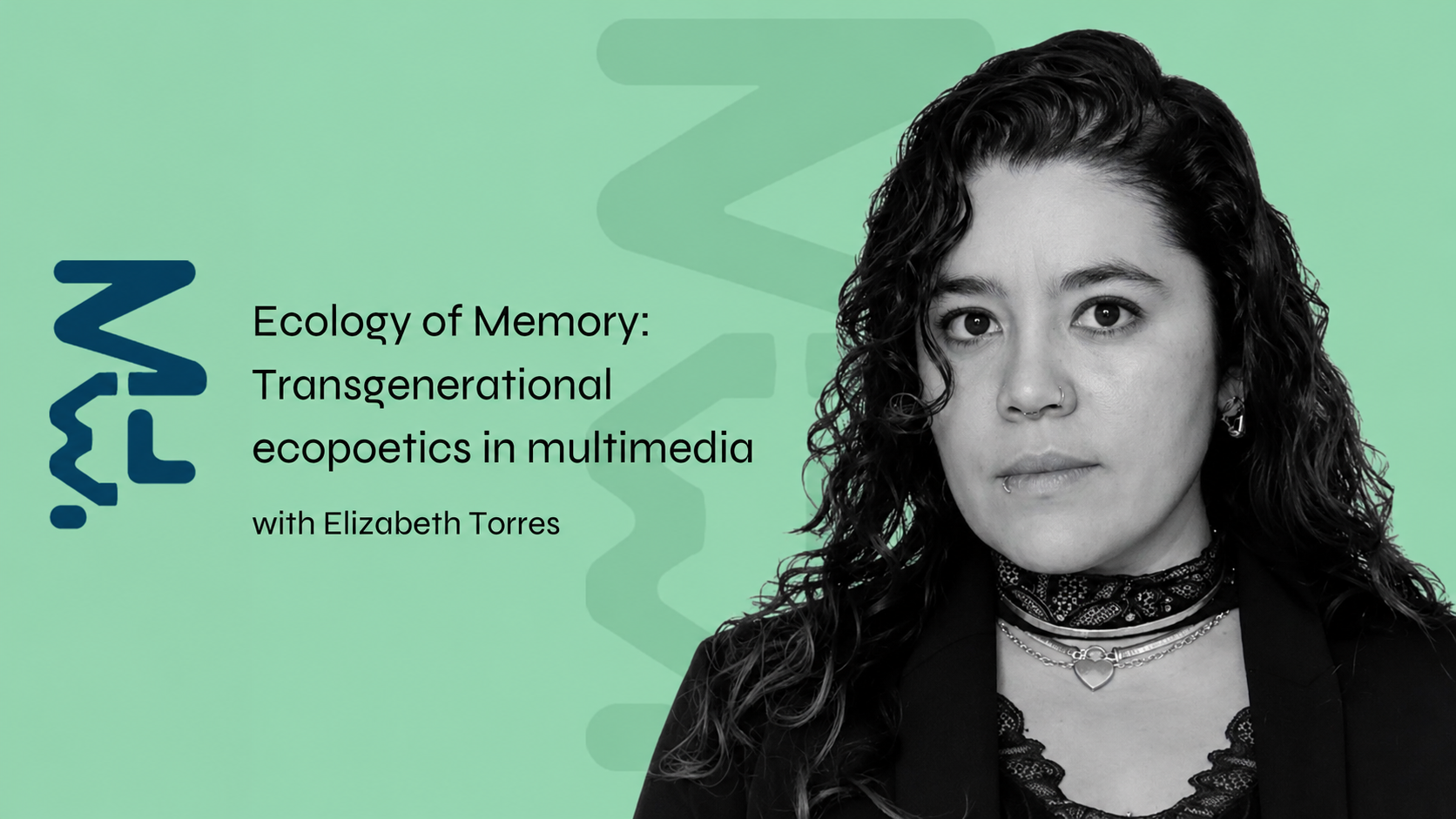
This six-week studio course invites poets, eco-artists, and interdisciplinary creatives to explore the profound relationship between environmental memory, transgenerational storytelling, and multimedia poetics. Designed for participants with a foundation in writing and an openness to experimentation, “Ecology of Memory” uses poetry as a primary method of inquiry into environmental justice, ecological grief, and ancestral connection —the course emphasizes transgenerational dialogues and ecological memory through multimedia expressions, and culminates in the creation of a thematic body of work Led by poet, translator, and multimedia artist Elizabeth Torres (Madam Neverstop), the course centers on five key creative phases: writing, sounding, visualizing (art), visualizing (video), and performance.
Drawing from environmental criticism, affect theory, and poetics of memory, the course emphasizes embodied, archival, and community-driven creation.
Each week focuses on a specific mode of expression, supported by theoretical readings, transgenerational conversations, local environment engagement, and artistic practice. Participants will produce a body of interdisciplinary work ready for public presentation, submission to literary journals, and/or inclusion in the Poetic Phonotheque archive.

Theoretical Framework
This course is grounded in the evolving field of the Environmental Humanities and second-wave ecocriticism (Buell, Heise, Alaimo), which emphasize socio-ecological entanglements, environmental justice, and the affective, lived experience of ecological crisis, as well as Fritjof Capra’s Principles of Life.
This course also draws from Tom Bristow’s lexicon of “Memory” (2014), each week aligning with one of the classical elements of poetics: Mimesis (representation), Ethos (character), Mythos (plot), Opsis (spectacle), Peripeteia (reversal), and Melos (melody).
Participants are invited to embody the archive, becoming living repositories of cultural and ecological memory. The course integrates oral history, acoustic ecology, eco-visuality, and ritual performance to honor both inherited knowledge and emergent creative forms.