
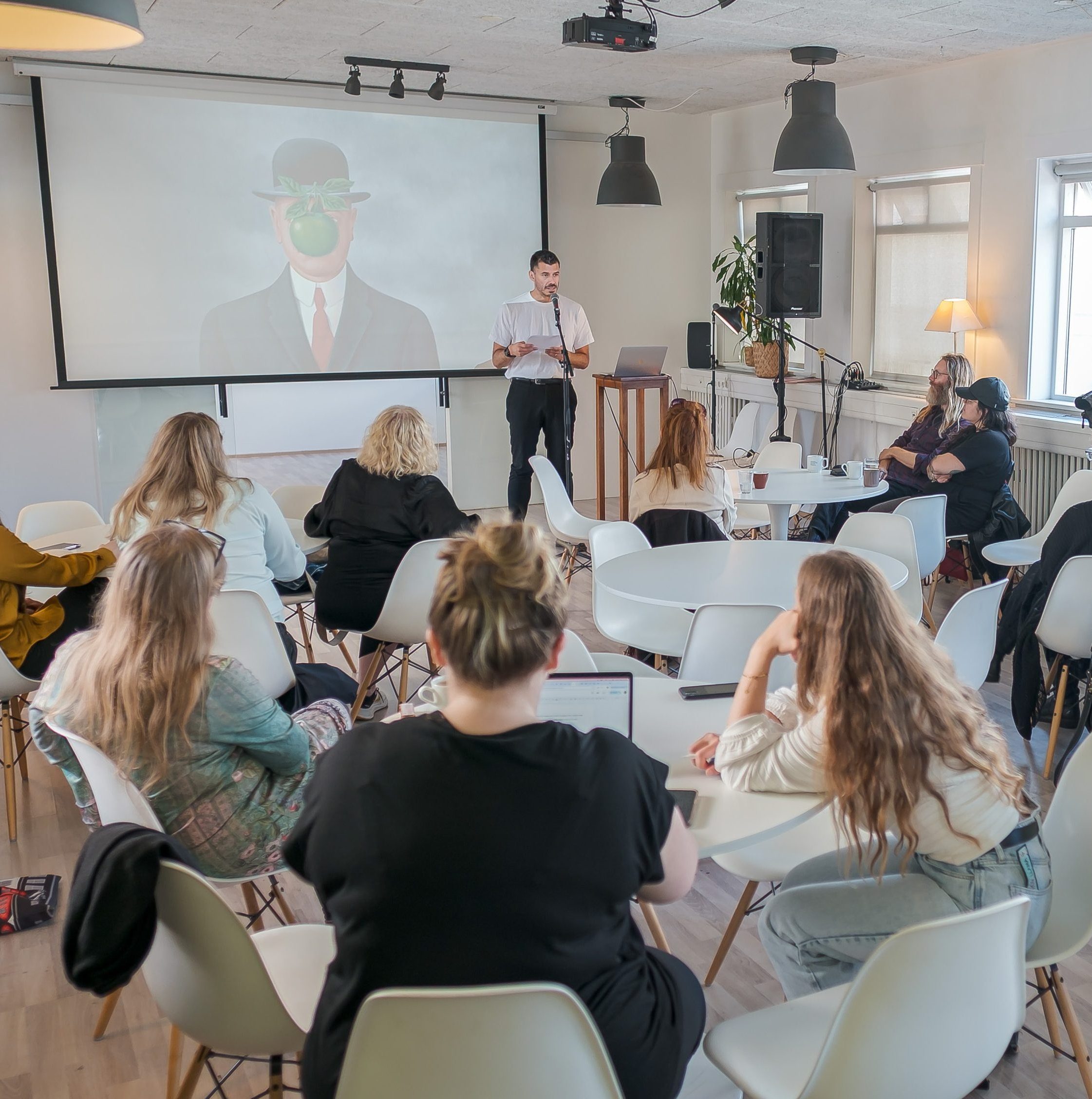

Community offers a unique kind of support, one that nourishes an author’s soul and career. There are successful writers who are lone wolves, developing their work in solitude, publishing their books, and continuing to work independently. But my own path has been shaped by the many kind, supportive, and generous artists I’ve encountered along the way.
When I think of community as a form of support for multilingual authors, I think of a network of creatives who encourage one another, collaborate, and share resources. Community is not necessarily a formal group or organization. Rather, it is a web of relationships built through shared passions, goals, and experiences.
For multilingual writers especially, this kind of support can be invaluable. Writing across languages often means navigating different literary scenes, audiences, and publishing industries… without ever fully fitting in. Having a community means having people who understand your challenges, who can exchange ideas, offer feedback, recommend opportunities, and celebrate each other’s successes.
In this sense, community is more than a professional network. It becomes a space of mutual care, inspiration, and creative growth. It is also a powerful force that can translate ideas into writing and publishing projects and help you build your presence and recognition. Through collaboration, shared opportunities, and collective visibility, a community can open doors that might be too difficult for an individual to open on their own.
Good Examples
Three organised multilingual communities that I have the pleasure to be a co-founder and member of are Ós Pressan, RVK Poetics, and Ritrými í Reykjavík. All were born thanks to the support of Reykjavík UNESCO City of Literature, a literary program and cultural initiative created after Reykjavík was designated a UNESCO Creative Cities Network City of Literature in 2011:
Ós Pressan is a multilingual writing and publishing collective established in 2015 by a group of international women who attended a workshop organized by a Snæfellsjökuls Rawlings, an interdisciplinary artist-researcher. The collective is registered as a non-profit organization, although in practice it functions more as a collaborative network of authors, scholars, and artists working together in different constellations on multiple projects and initiatives.
As of early 2026, the collective has published six issues of the multilingual anthology Ós – The Journal and four books by multilingual authors. Ós Pressan is also involved in a range of projects supporting literacy in Icelandic Sign Language, as well as international collaborations, research, workshops, exhibitions, and public reading events. Membership is open, and the collective relies primarily on local and international grants, as well as the individual initiative of its members.

RVK Poetics is a series of multilingual literary community events that provide opportunities for writers of all languages and backgrounds to share their work on stage.
Established in 2023 through the initiative of Reykjavík UNESCO City of Literature, the series is run by a creative board composed of multilingual writers living in Iceland. RVK Poetics hosts events in the heart of Reykjavík, primarily at the art space Mengi.
The ongoing event formats include: writer-curated events under the RVK Poetics banner, open mic events called RVK Open, and afternoon gatherings for writers to exchange ideas, known as Writers O’Clock. The series is supported by Reykjavík UNESCO City of Literature, volunteer contributions, and various grants.


Ritrými í Reykjavík (Reykjavík in Writing) is a series of multilingual writing sessions hosted at the Mengi art space in the heart of Reykjavík. The two-hour sessions take place twice a month and are built around different themes, offering new perspectives, sparking ideas, and inspiring creative writing.
Each session is led by local writers, including members of the writing community and invited guests, who guide participants through prompts, discussions, and shared writing practices. The project focuses on exchange, connection, the joy of writing, and the experience of creating together in a supportive and inclusive environment.
Ritrými í Reykjavík is supported by Reykjavík UNESCO City of Literature and was launched in March 2026.
Your Task
- Map your community. Take a blank sheet of paper or open a digital document. Write your name in the center. Around your name, list people, groups, or organizations who can support your writing. Think broadly:
- Friends, family, classmates, or colleagues
- Teachers, mentors, or advisors
- Writing groups, workshops, online communities, or literary organizations
- Editors, translators, or collaborators
- Cultural organizations, events, or festivals
2. Analyze each connection. For each person or organization, ask yourself:
- How can they support your writing?
- How could you collaborate with them?
- How can you support them?
Think of different forms of exchange and collaboration, such as: feedback, editing, co-writing, projects, translations, mentoring, learning, teaching, opportunities, publishing, exposure, emotional support, and creative inspiration.
3. Identify gaps. Look closely at your community map and identify areas where support is missing or could be strengthened. Mark these areas with a question mark.
4. Create an action plan. Congratulations! You’ve just created both a map of your community and a to-do list for building stronger connections.
Reflection
- What is missing on your community map, and what do you have in abundance?
- How could you actively strengthen or expand your network to create more balance?
- How can you activate the relationships you already have to support your writing, and at the same time support others and your community?